Palazzo Rota, reopened in Venice with a Studio Marco Piva project
A 14th-century residence, protected by the local Superintendence and located just steps from St. Mark’s Square in Venice, has been restored to its former glory thanks to the cooperation of Pacini Group and Studio Marco Piva. Palazzo Rota – Luxury Apartments, nestled in the quiet Calle dei Fabbri, is a new gem in the Venetian hospitality scene, offering six luxury apartments designed for guests seeking refined and intimate experiences.
Originally built as a textile workshop, the building underwent numerous transformations over the centuries—becoming a glassworks, then a museum, and later a noble residence. Each transformation has left its mark, making this building a precious witness to Venice’s cultural heritage.
The name refers to the iconic stone emblem on the main façade facing St. Mark’s Square: a wheel symbolizing both the city’s industrious origins and the passage of time, in harmony with the waters that embrace Venice.
Thus were born six exclusive, intimate, and refined apartments—an homage to the soul of Venice—dedicated to guests who wish to experience the city in an innovative and cultured way, while enjoying an exceptionally privileged location.
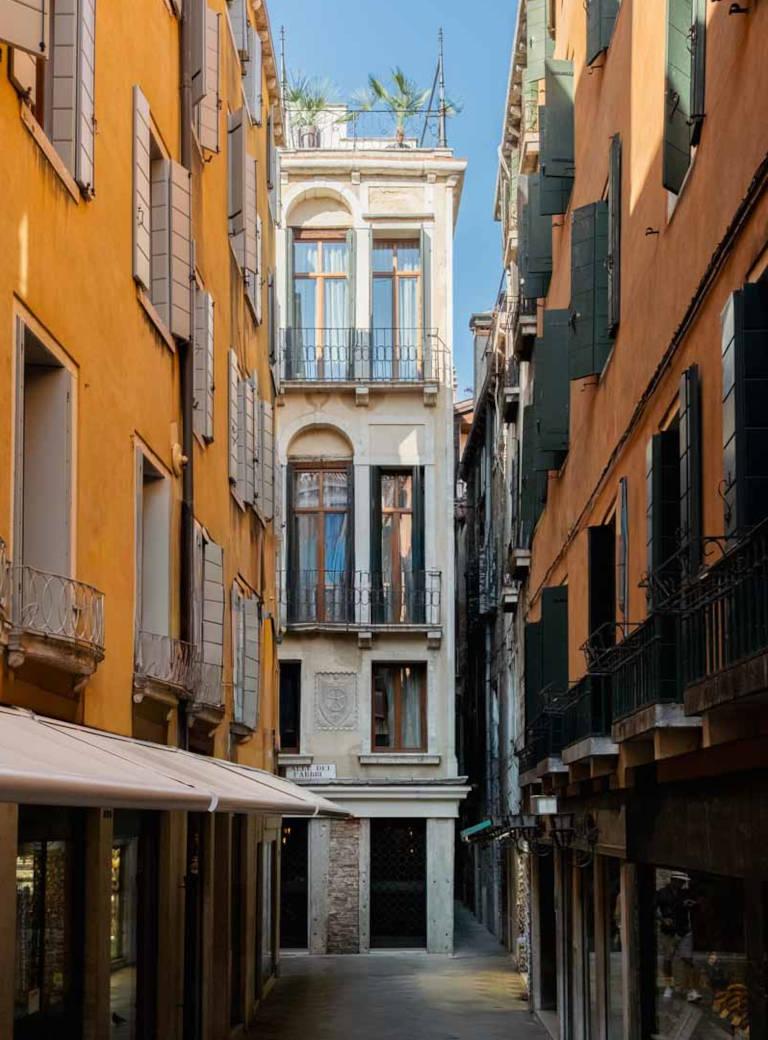
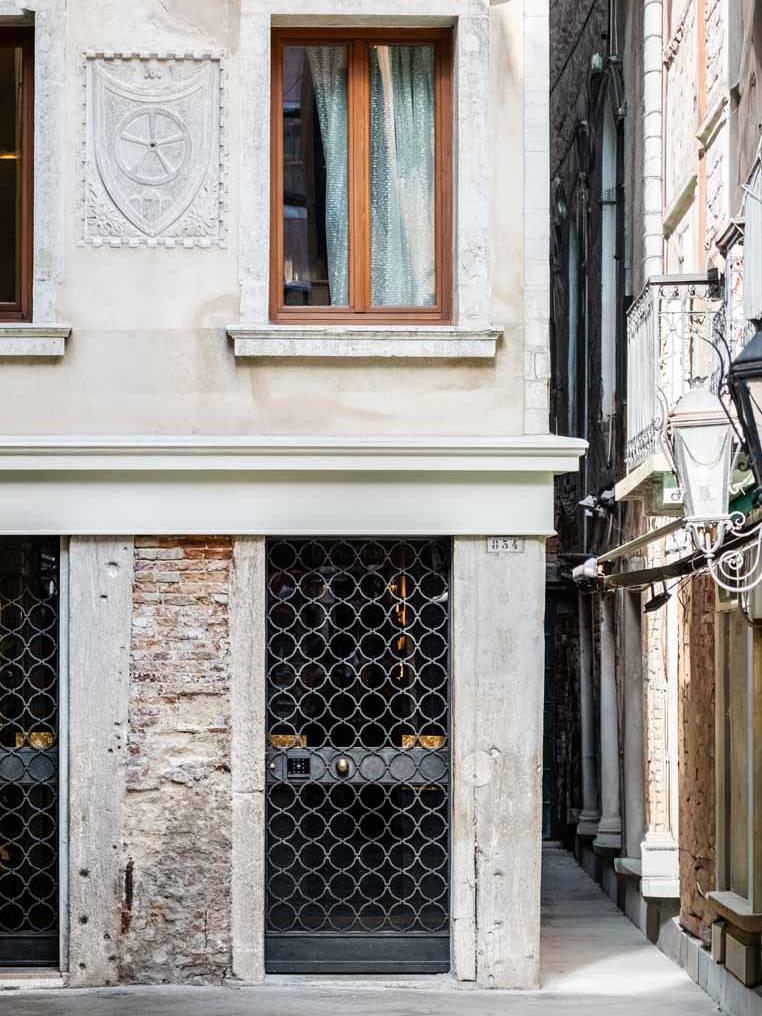
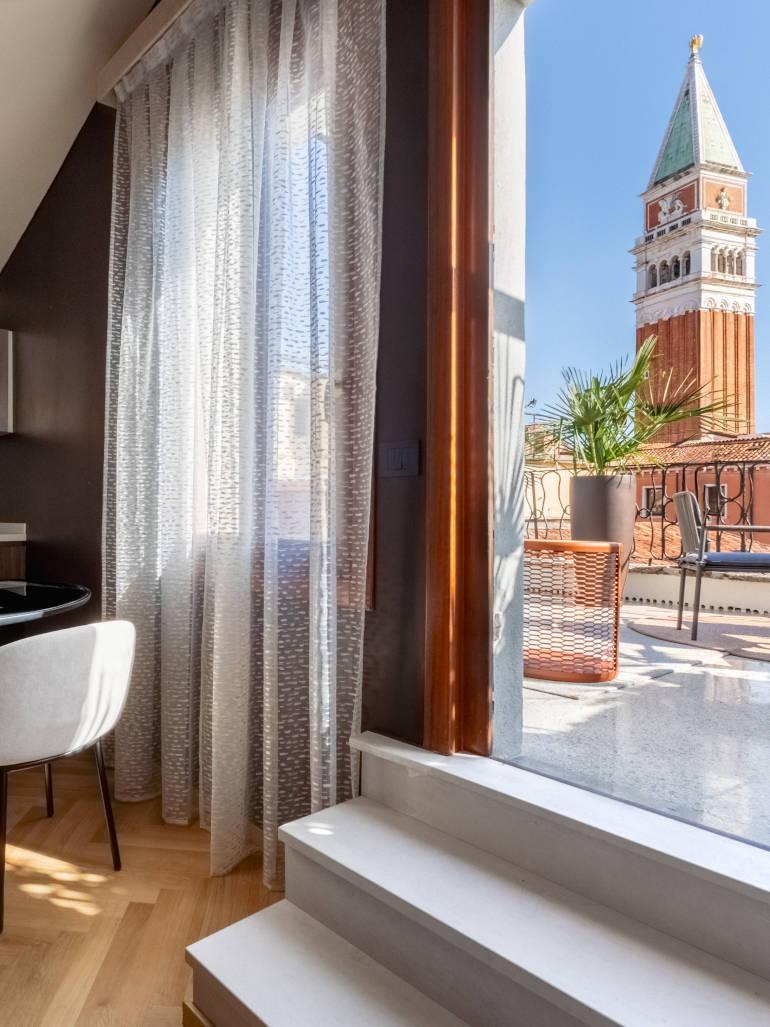
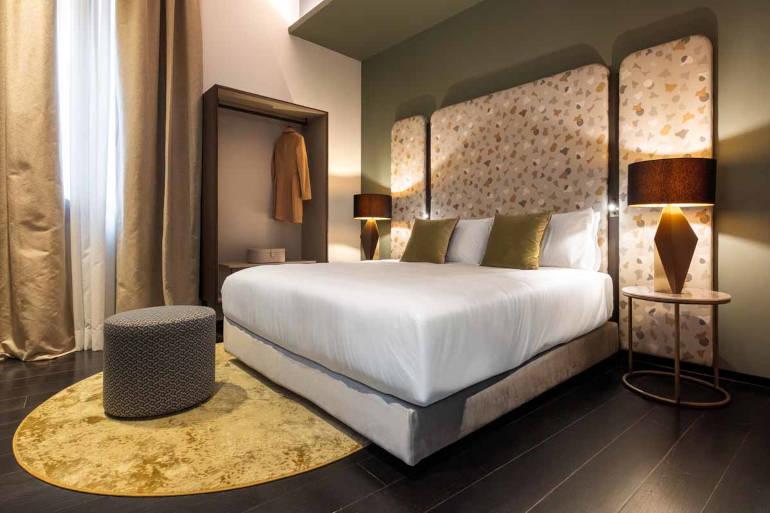
The interiors, designed by Studio Marco Piva, tell the story of Venice through design choices that reinterpret its identity in a contemporary key. The geometric detailing draws inspiration from the Venetian architect Carlo Scarpa, featuring clean lines and refined three-dimensional compositions that pay homage to the master’s ability to blend formal rigor with material sensitivity. Fabrics and wallpapers by the historic Venetian company Rubelli—some derived from 17th-century patterns reimagined in a modern style—serve as a tribute to the city and its textile tradition, here transformed into a contemporary design language.
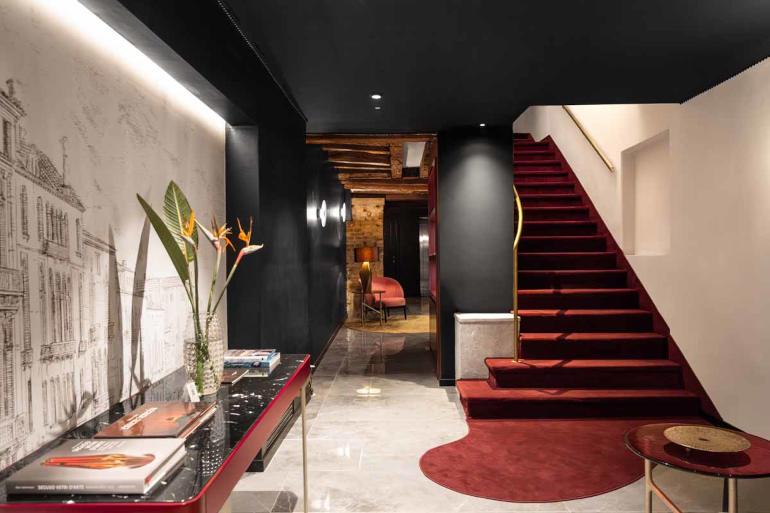
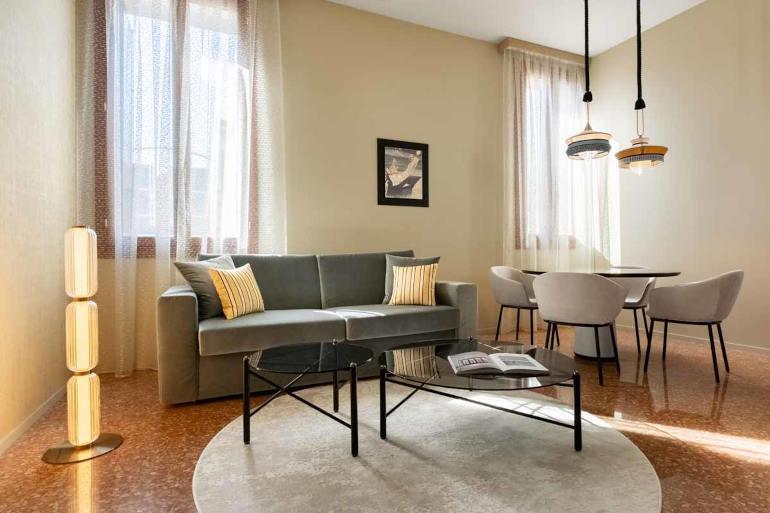
Particular attention was devoted to preserving the building’s historical heritage, restoring and enhancing the original seminato (Venetian terrazzo) flooring in two apartments and reinterpreting preexisting elements, such as the glass portions of the internal staircase railing, transformed into a striking decorative screen at the entrance. In this way, contemporary furnishings were created that unite memory and innovation.
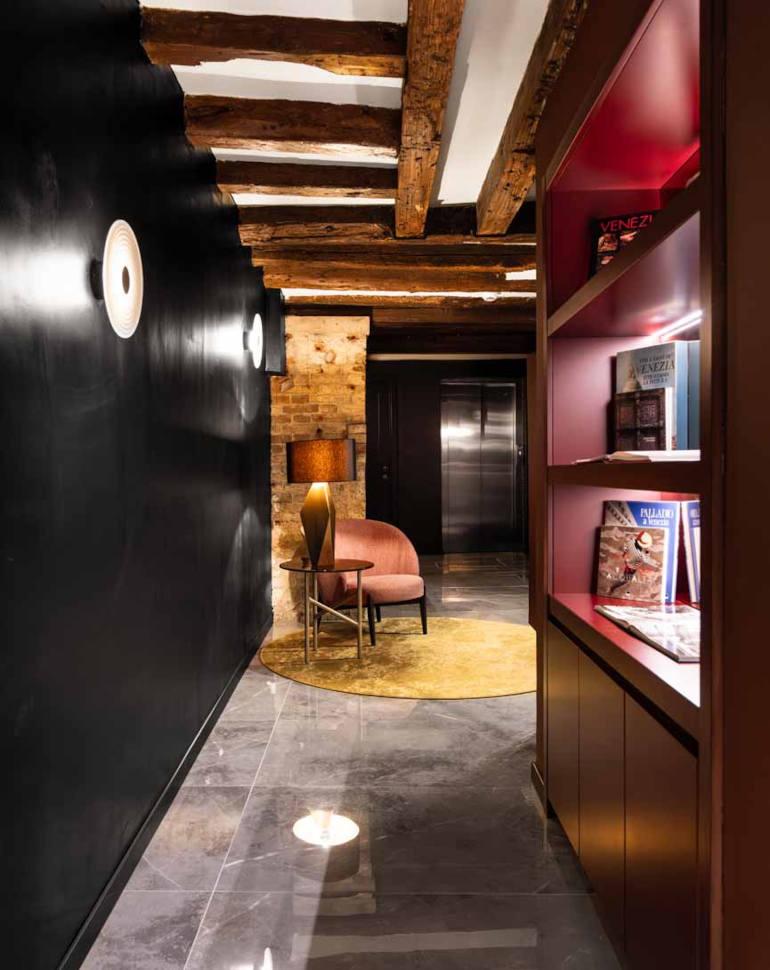
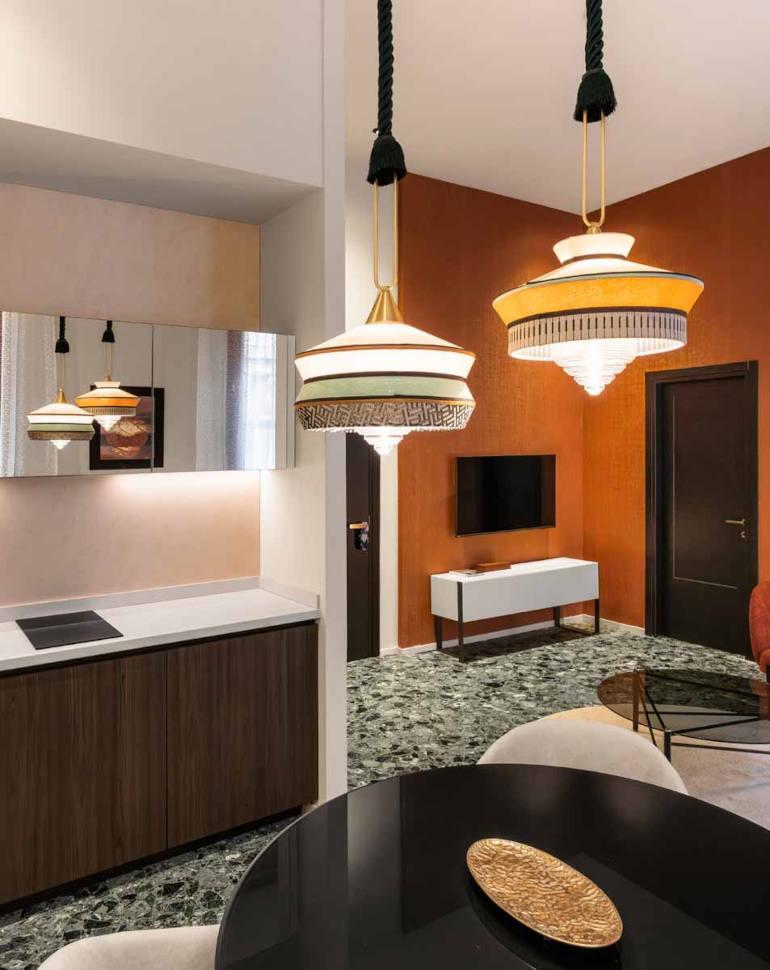
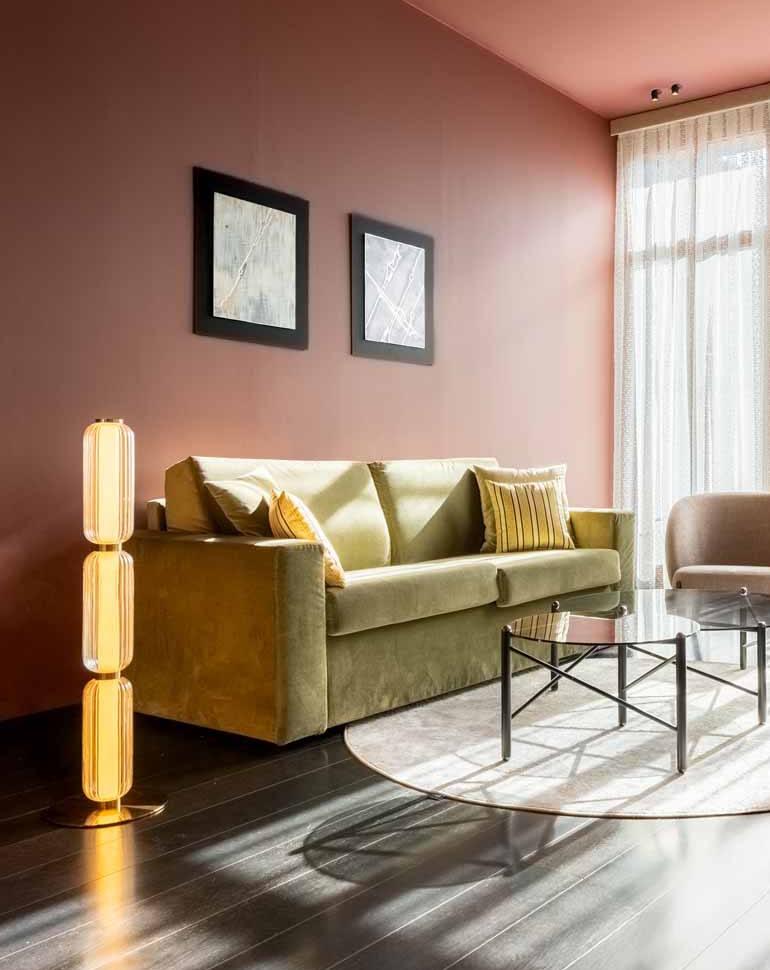
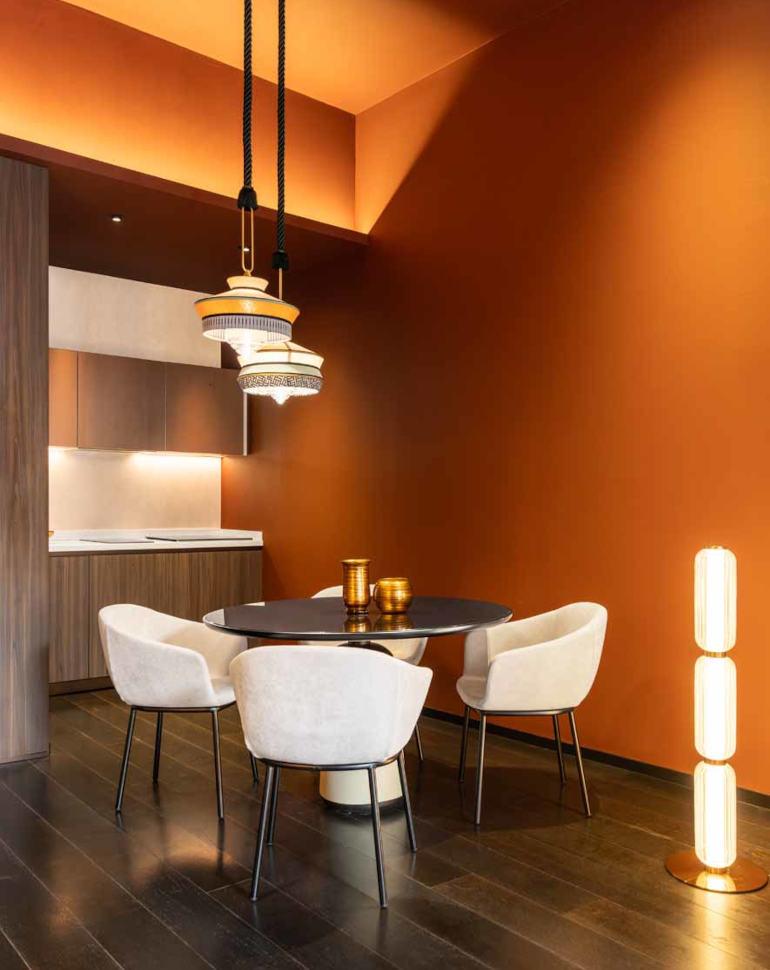
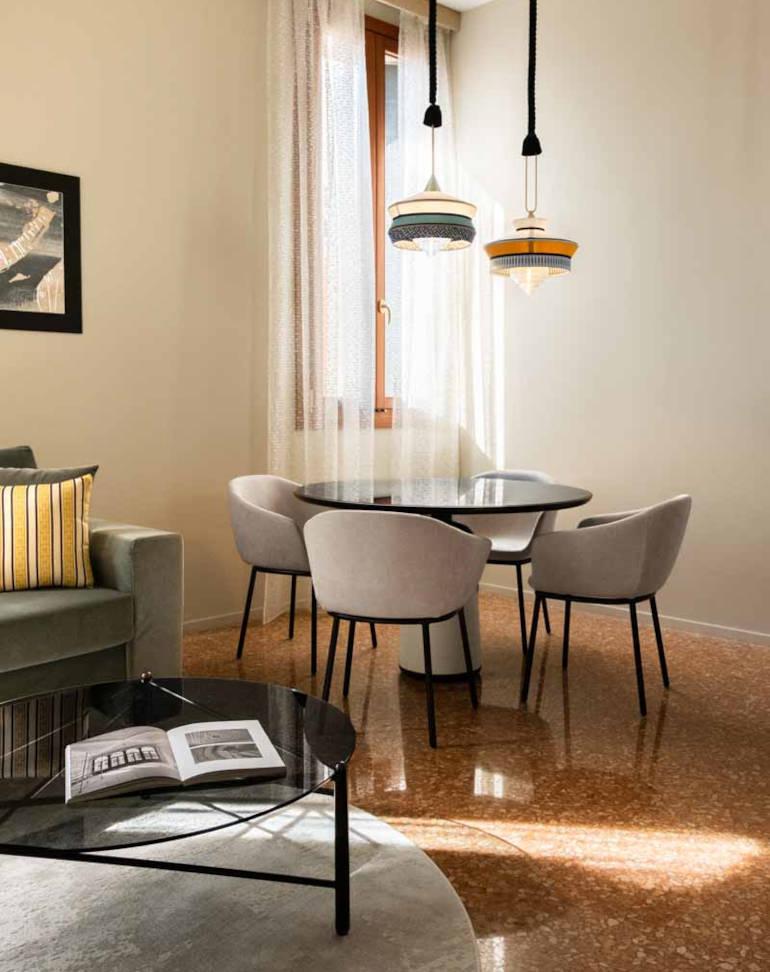
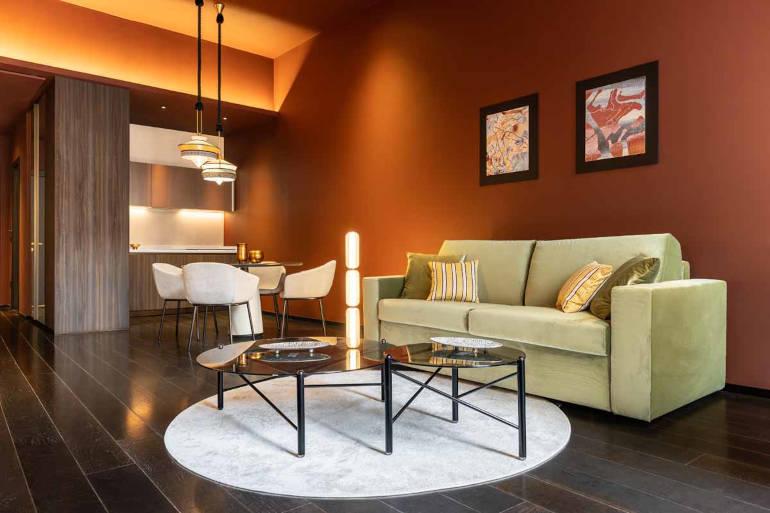
Color plays a fundamental role in the Palazzo Rota project, characterizing each space with unique tones that extend up to the ceilings, creating immersive and enveloping environments. The wallpapers add a distinctive touch, reinterpreting the Venetian textile tradition.
The furnishings were conceived as self-standing pieces, positioned discreetly within the spaces in full respect of the building’s natural structure, enhancing the authentic beauty of the palace.
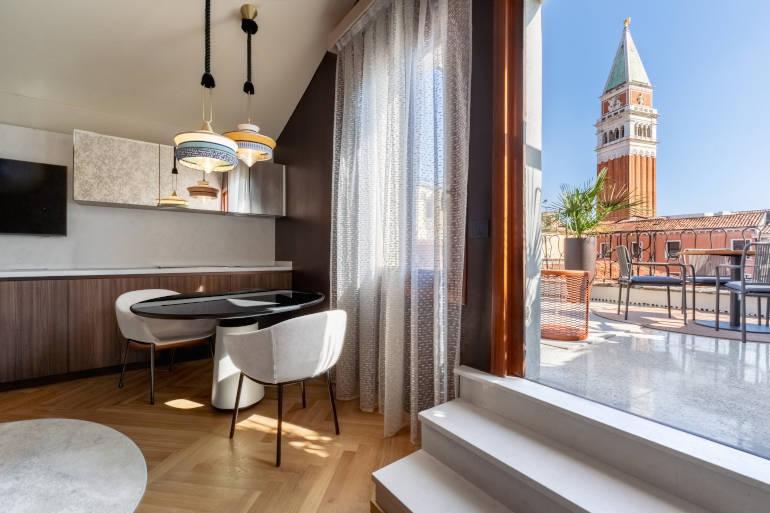
Each apartment, from the first to the fourth floor, offers the comfort of one or two bedrooms, an elegant living room with sofa bed, a fully equipped kitchen, and one or two bathrooms.
Ph. Maurizio Morra | Studio Marco Piva