Hotel Desertica, San Pedro de Atacama
At the heart of Chile's Atacama Desert, an accommodation facility crafted from indigenous materials engages guests, inviting reflection on the local natural heritage with spaces strongly anchored to the territorial roots.
San Pedro de Atacama is a small town located in the heart of the desert of the same name, in northern Chile. It represents the main populated center of the Salar de Atacama basin, an area inhabited by 18 indigenous communities known as Atacameños or Lickanantay, organized into ayllus, ancient pre-Columbian communal family units.
Right in the center of the village, within the Ayllu of Condeduque, stands Hotel Desertica, overseen by architect Javier Vergara Delorenzo in collaboration with interior designer Katherine Rahal and Tania Düring for the lighting design. The project involved a plot encircled by stone walls, a testament to the ancient territorial division introduced by the Spanish starting in the 1600s and the prior Inca influence.
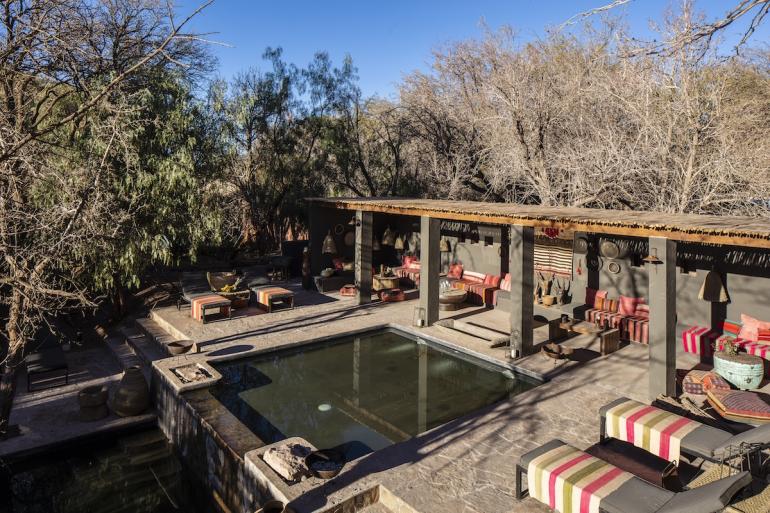
The land on which the hotel is built was formerly used for agriculture – called melga, meaning a cultivated strip of land – and required a careful and respectful approach. The guest rooms and pathways were conceived on pilotis, raised from the ground to preserve the ancient flood irrigation system, still active and managed by local communities.
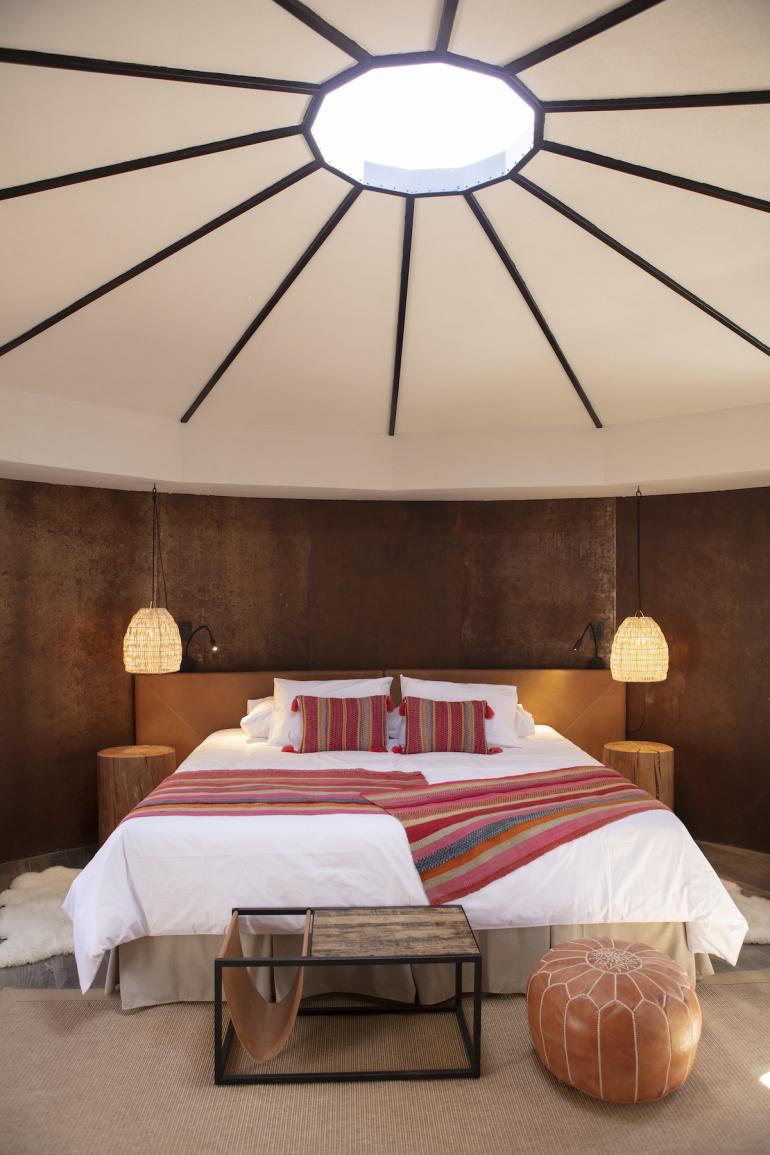
The rooms are designed as circular structures, inspired by the traditional architectural forms of the Atacama Desert – particularly the ancient settlement of Tulor – and covered with Brea branches (Tessaria absinthioides), an indigenous shrub historically used in the area's vernacular construction.
The structure is equipped with a solar power generation system, essential for ensuring the hotel operates to high standards. The rooms are distributed organically, following the existing vegetation's layout and respecting the presence of trees and shrubs.
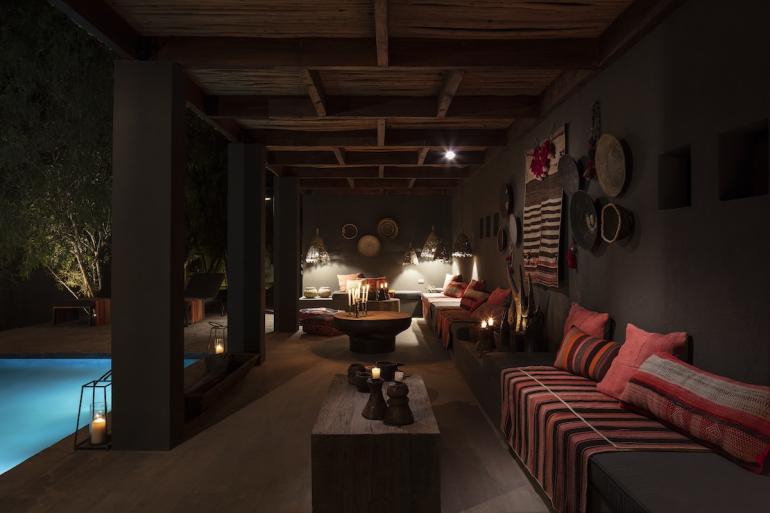
Within the common areas, stone takes on a starring role as an architectural material. Used in various varieties to clad floors, walls, and stairs, it tells an ancient story. The floor slabs, extracted from a quarry near Talabre, were laid by the same stonemasons who extracted them. For the walls, “huevillo” stone was used, collected by hand in the desert with authorization from local communities.
The proximity to important international astronomical observatories, such as ALMA, also required particular attention to artificial lighting, applying the same restrictions necessary for safeguarding the night sky.
The hotel's overall concept was built around the idea of "inhabiting the desert," looking both to the architecture of the oficinas salitreras and to the construction traditions of the Atacameños, in a dialogue that intertwines indigenous culture, Spanish colonization, and Inca influence.
The entire project is an homage to the constructive intelligence of these cultures. Far from pursuing artificial perfection, the project realized for Hotel Desertica enhances the beauty of indigenous materials, inviting reflection on native heritage through an architectural proposal that fosters respect for territorial roots.
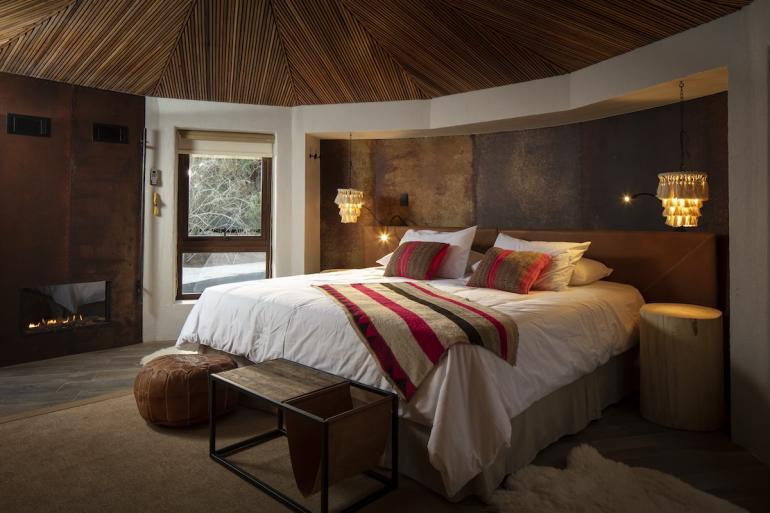
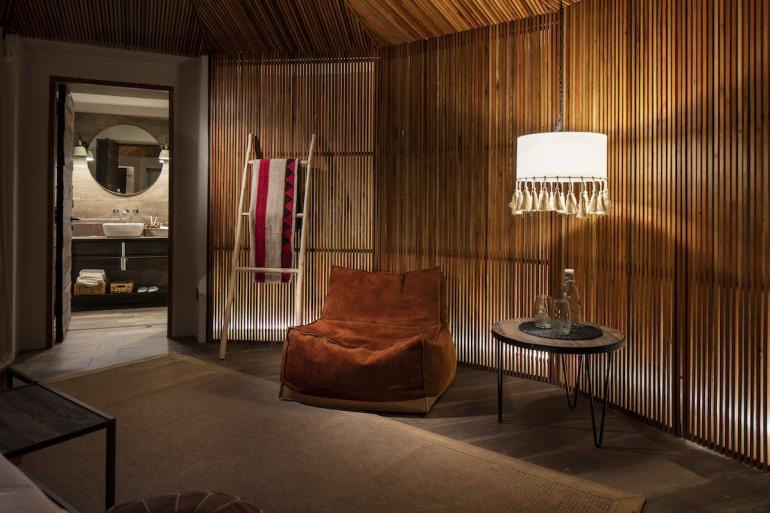
Ph. Juan Pablo Jaramillo, Javier Vergara