Historic home transformation in Sambuca di Sicilia for Airbnb
In one of Sicily’s most evocative historic centres, architecture firm Didea delivers a project that blends precision, contextual awareness, and an outward-looking mindset. Both an architectural and interior design effort, the project reinterprets a fragment of the village fabric with a restrained, contemporary language - one that restores dignity to the building without slipping into nostalgia.
Commissioned by Airbnb, the project reflects a shared vision of hospitality as a spatial and cultural experience. Didea’s approach, focused on authenticity rather than clichés, positioned the studio as an ideal partner for a brand seeking meaningful engagement with place and heritage.
The Sambuca project also enabled Didea to test and refine a methodology that now informs its broader portfolio, spanning residential to retail, hospitality, and large-scale commercial spaces. The symbolic cost of the building - a feature of the “1 Euro House” programme - demanded not only design quality, but also careful budget planning, resource-conscious choices, and a structured process.
The result is a flexible design method that can address complexity across diverse contexts and client requirements. It exemplifies the studio’s current ethos - developed between its offices in Palermo and Valletta - where each project, regardless of scale or location, reflects a consistent architectural identity and international perspective.
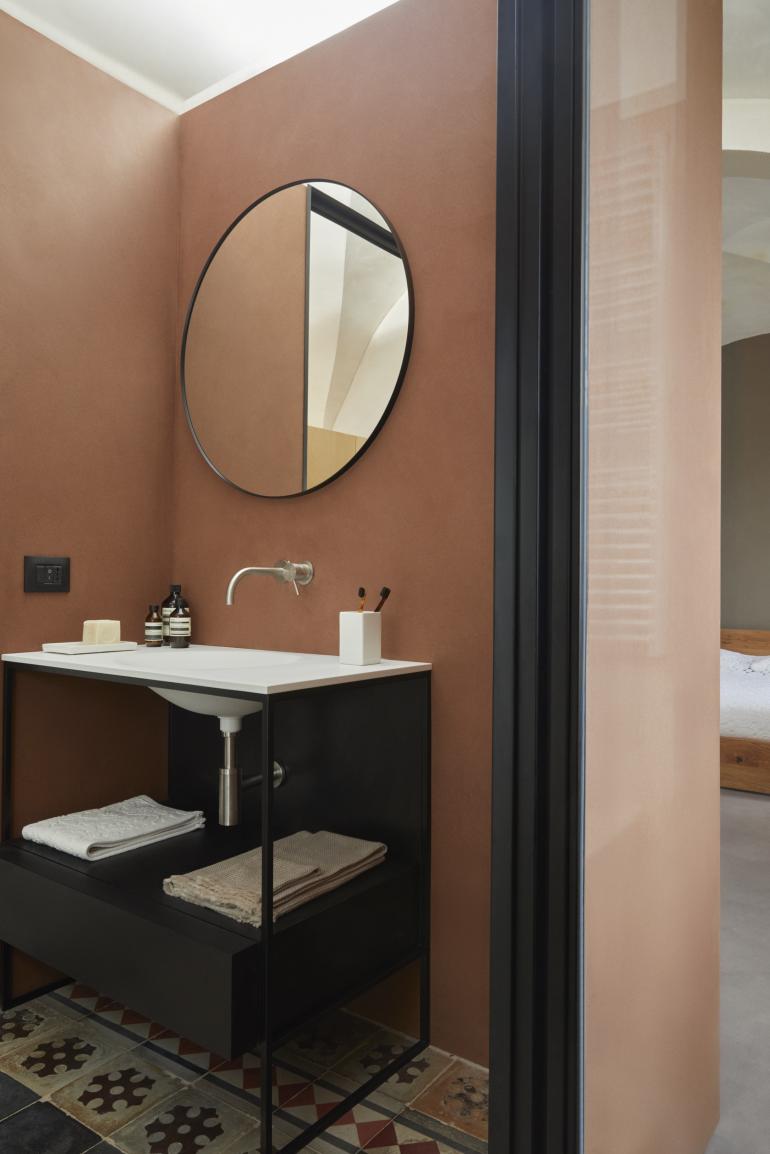
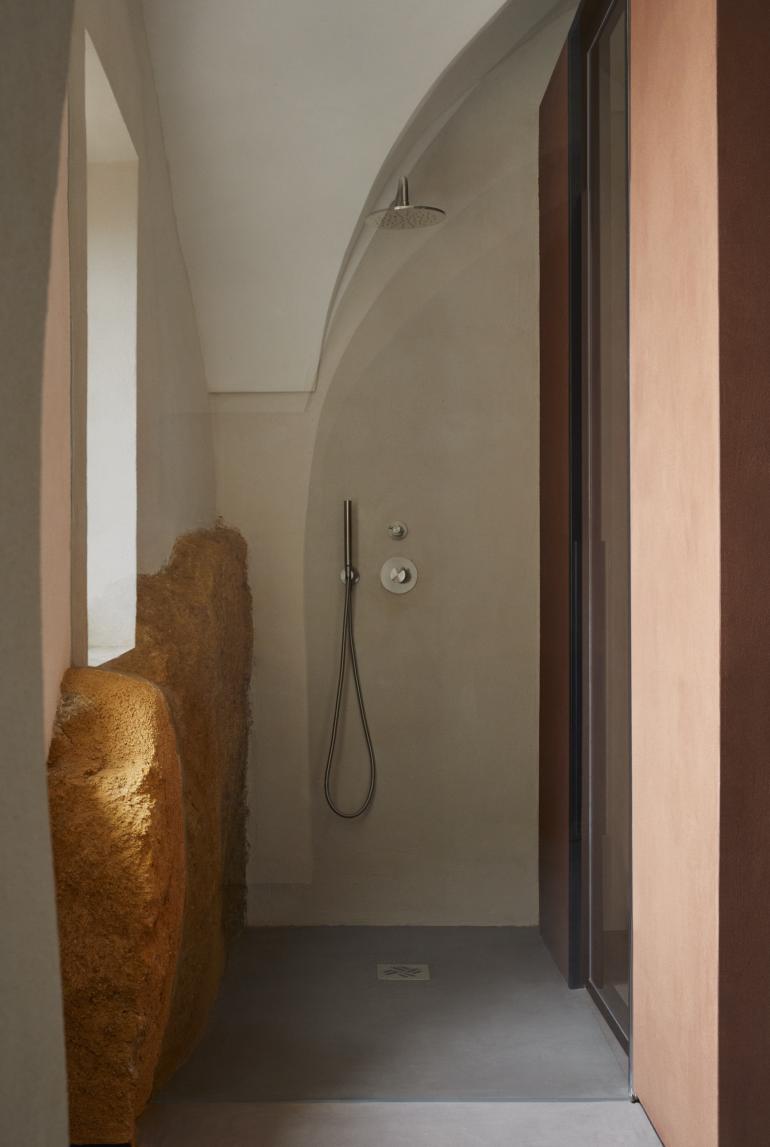
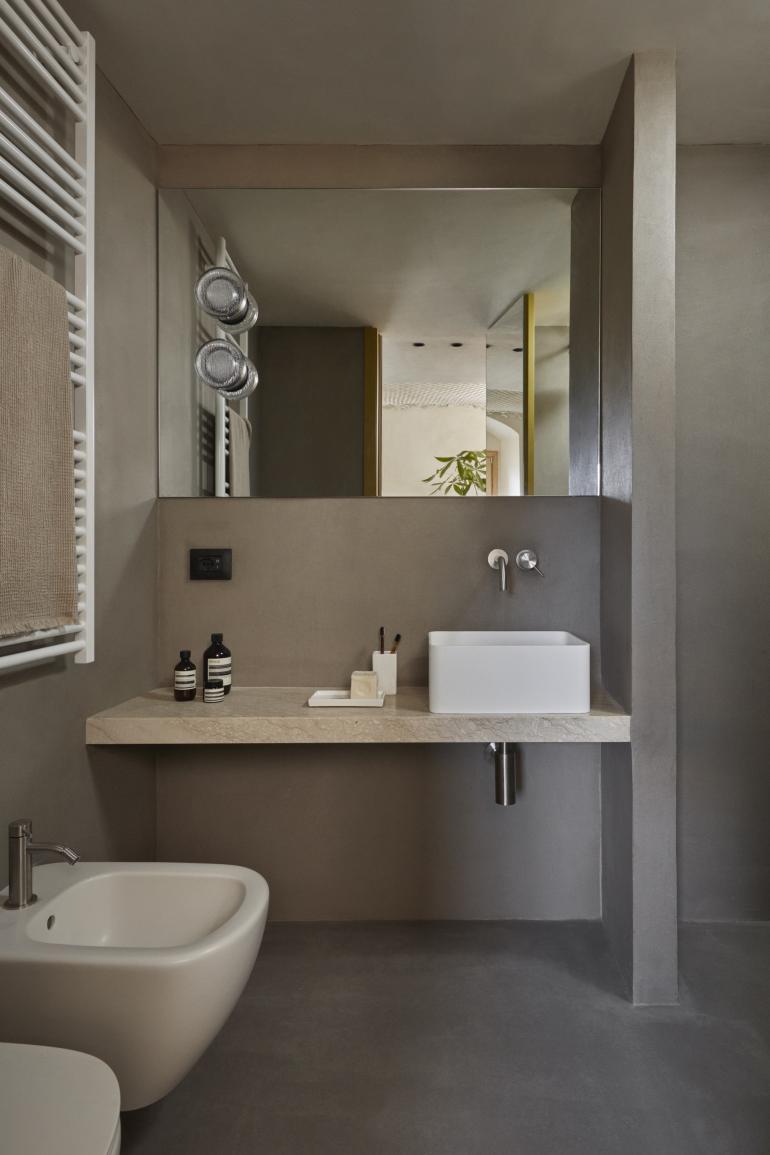
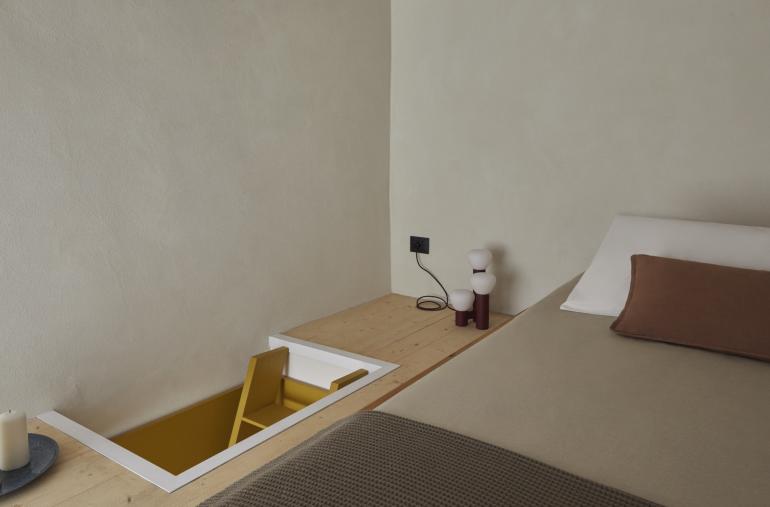
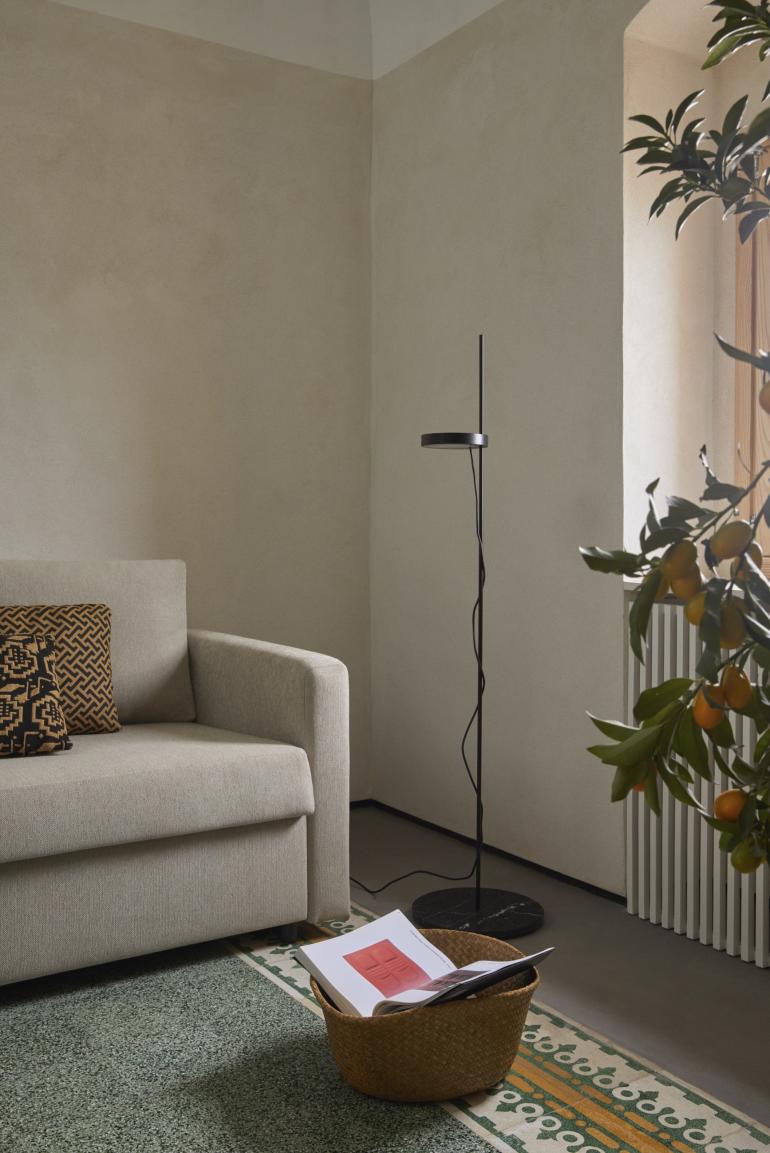
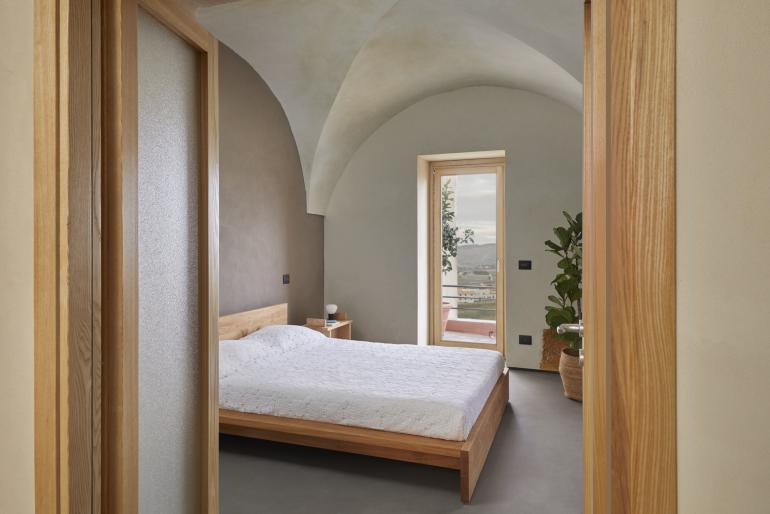
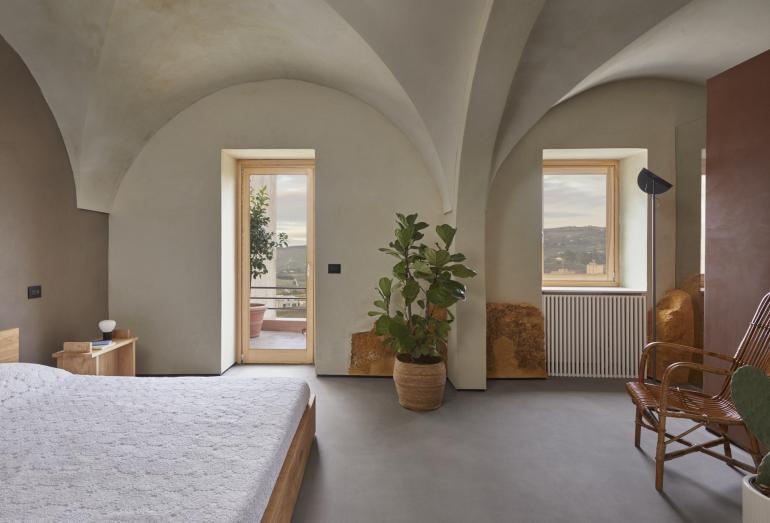
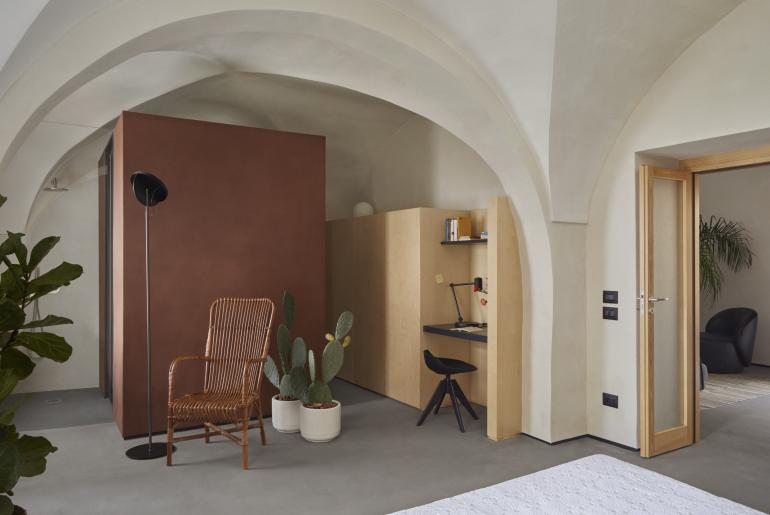
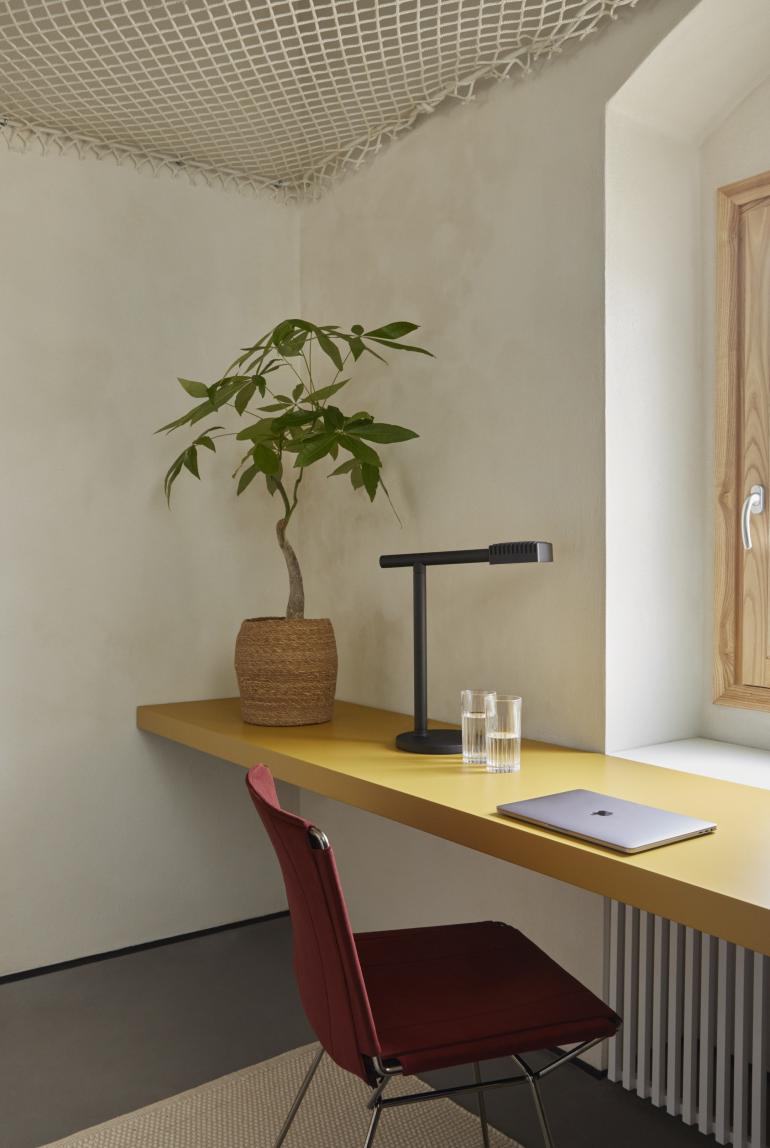
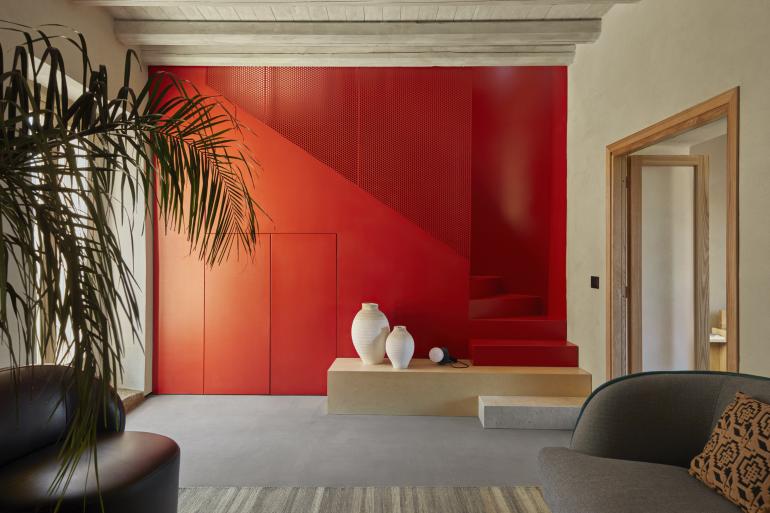
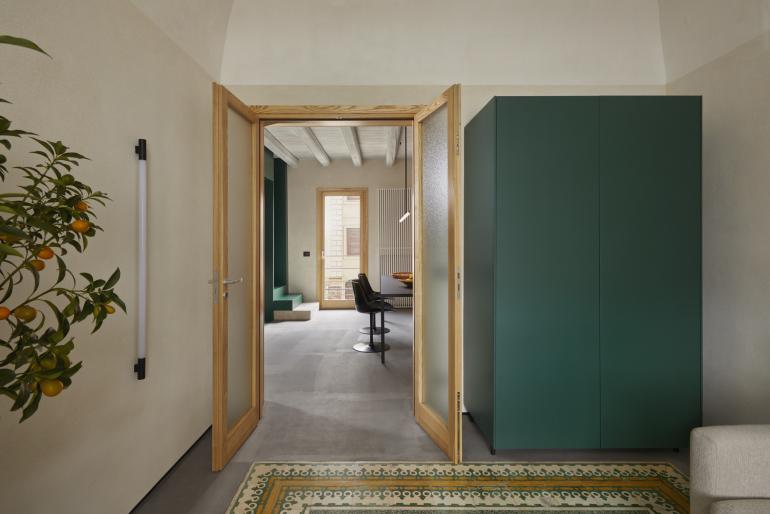
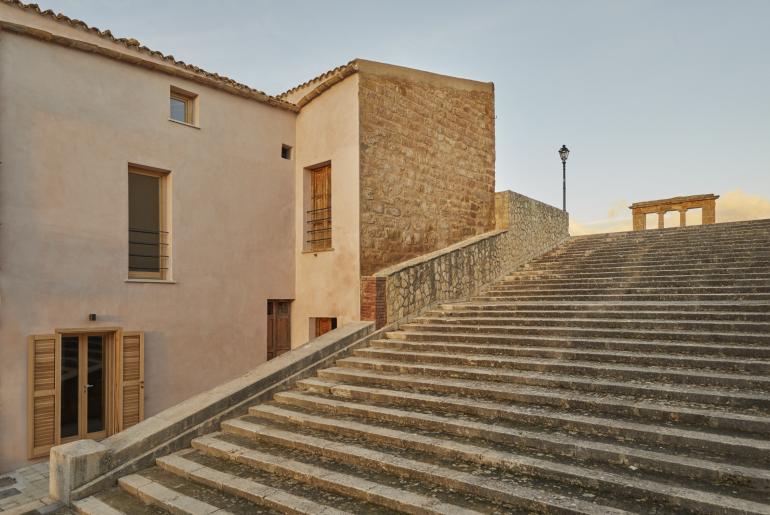
A Sicilian soul with a contemporary outlook
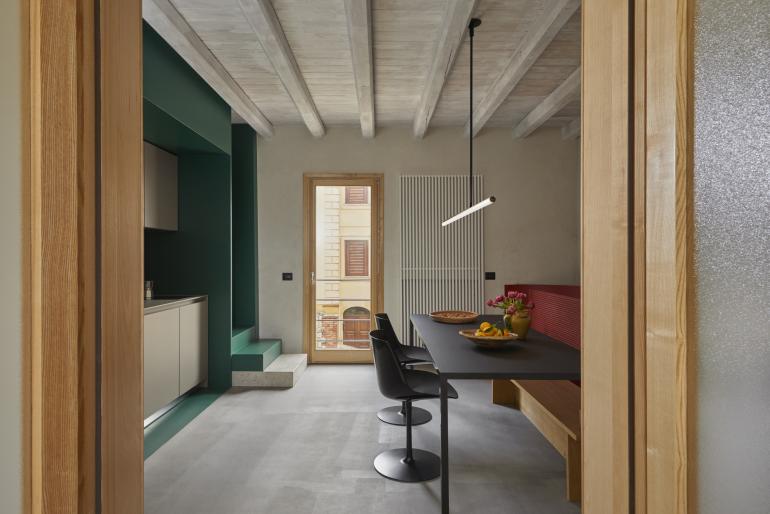
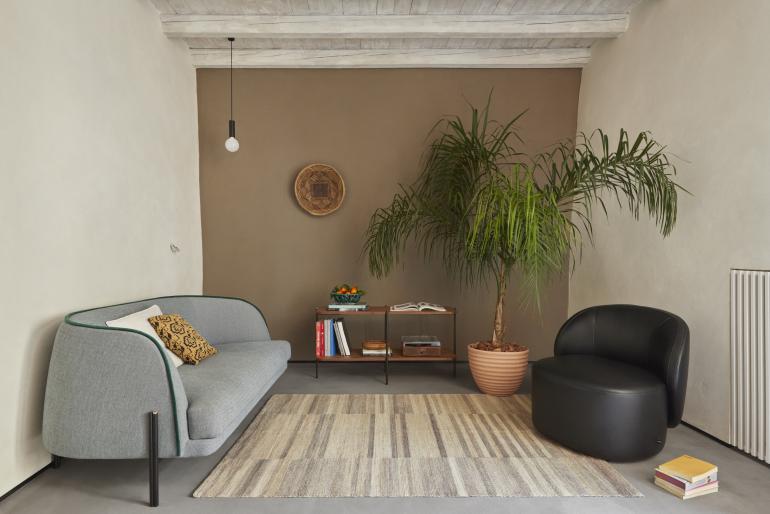
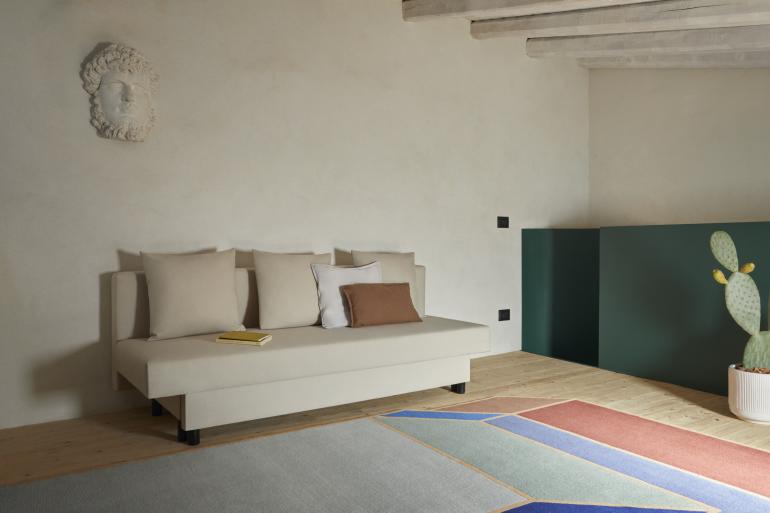
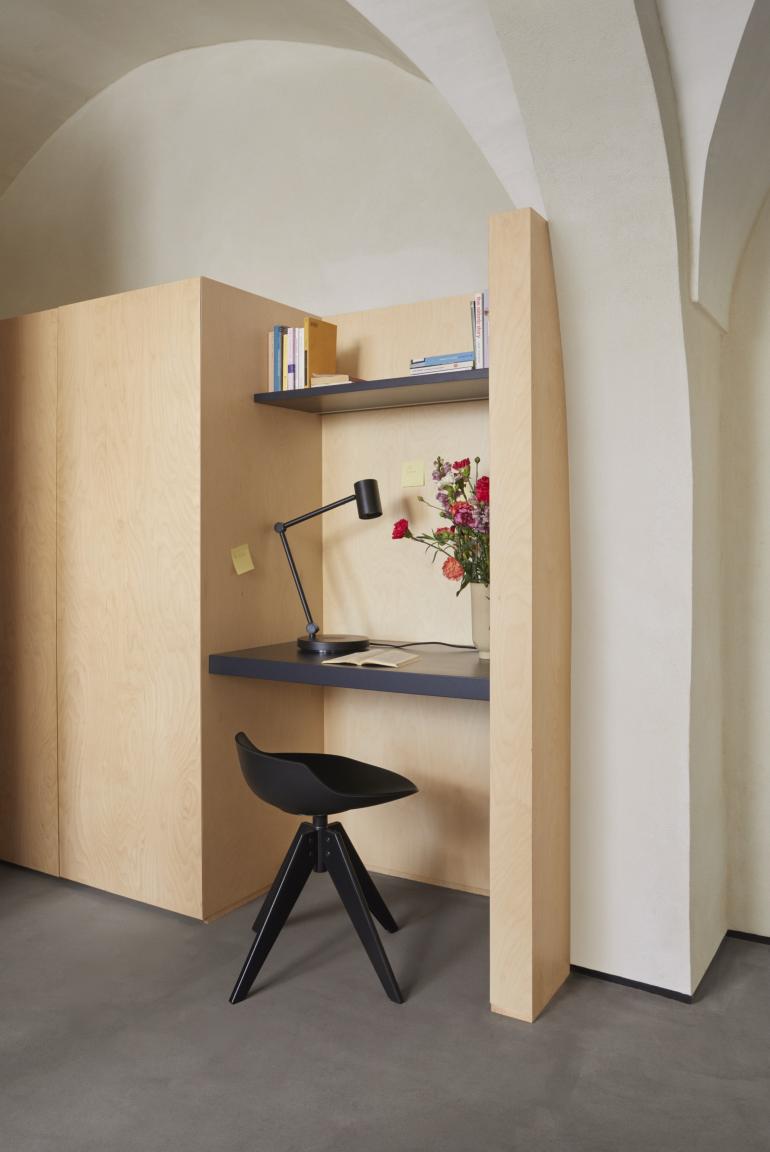
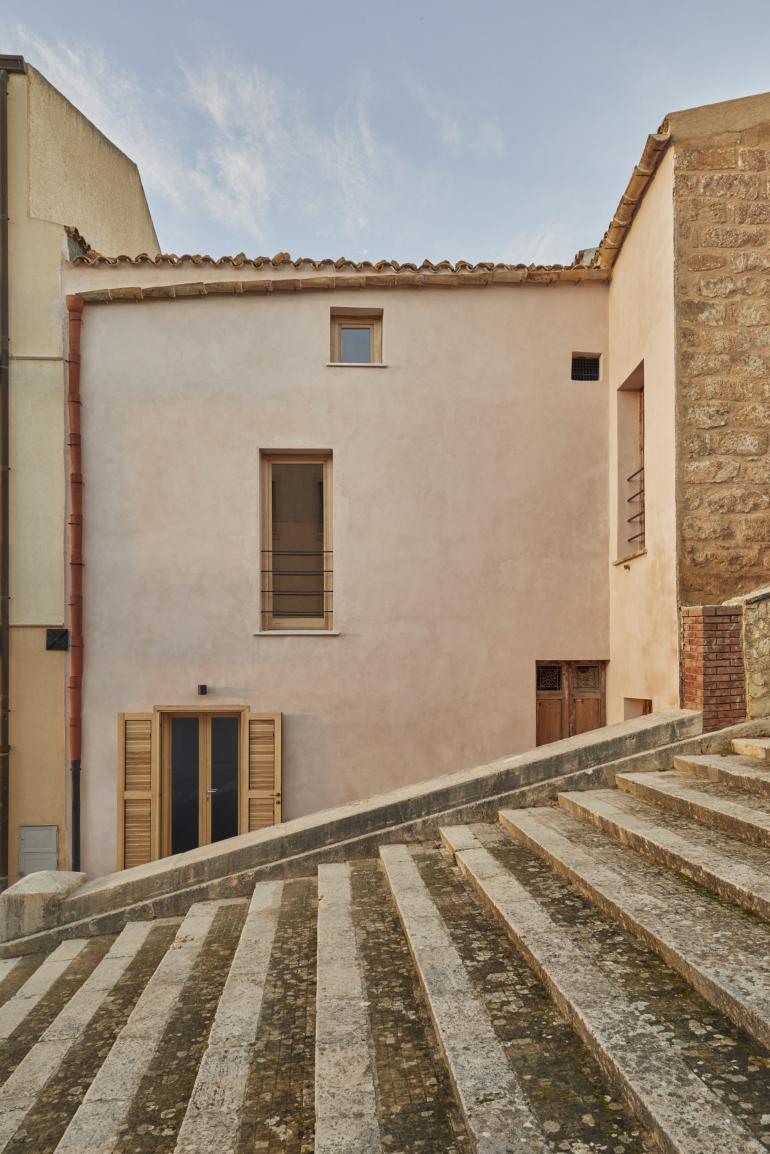
Dating back to the early 20th century and partially embedded within Sambuca’s historic town walls, the original structure was in a state of ruin - collapsed floors, no utilities, pervasive damp. And yet, its bones hinted at spatial quality and architectural character worth preserving. Didea’s intervention proves both measured and attentive: building's original architectural grammar is respected while new, open-plan interiors unfold across three compact levels.
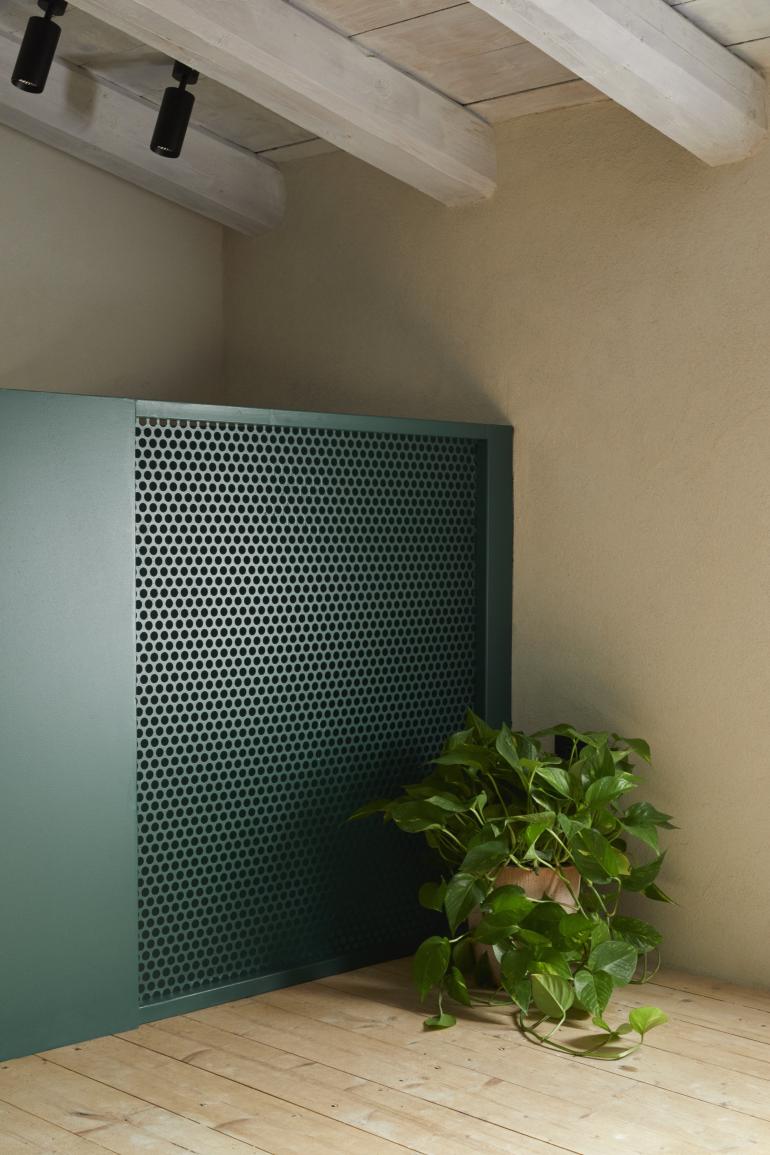
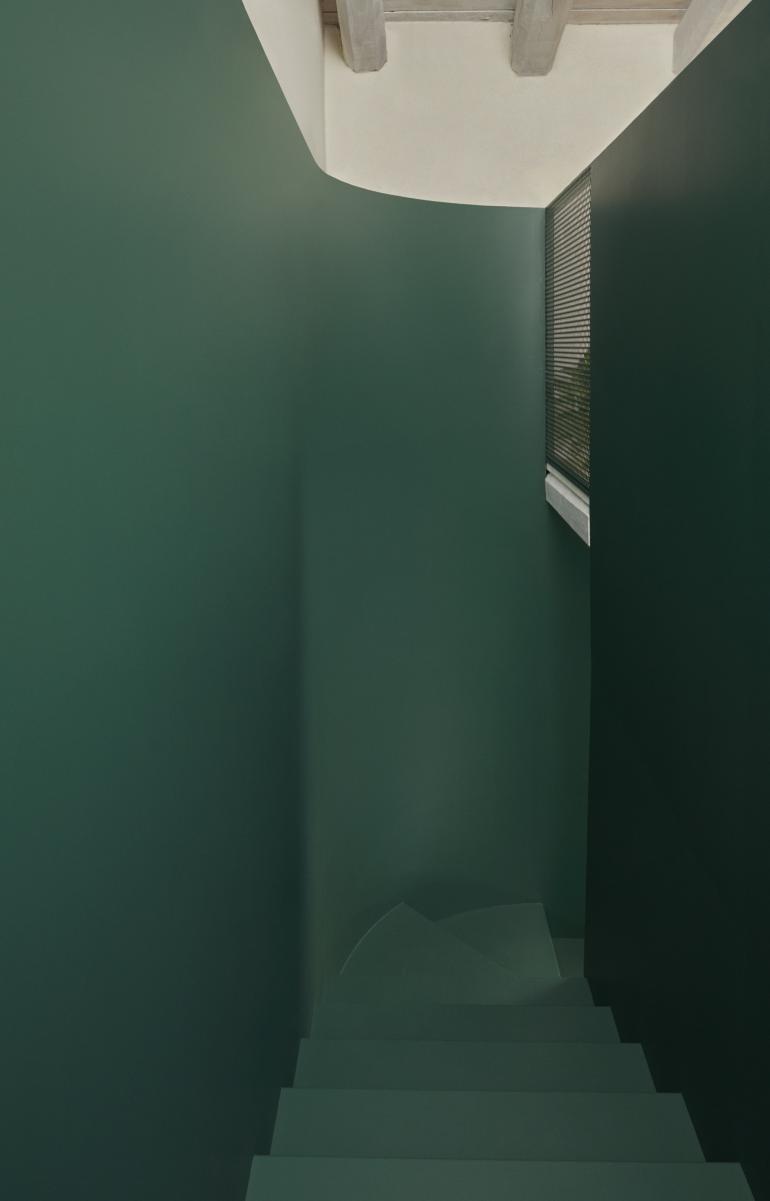
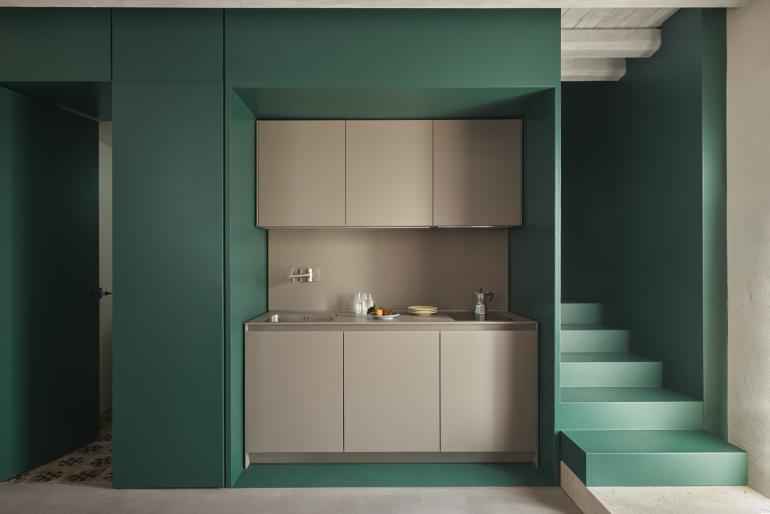
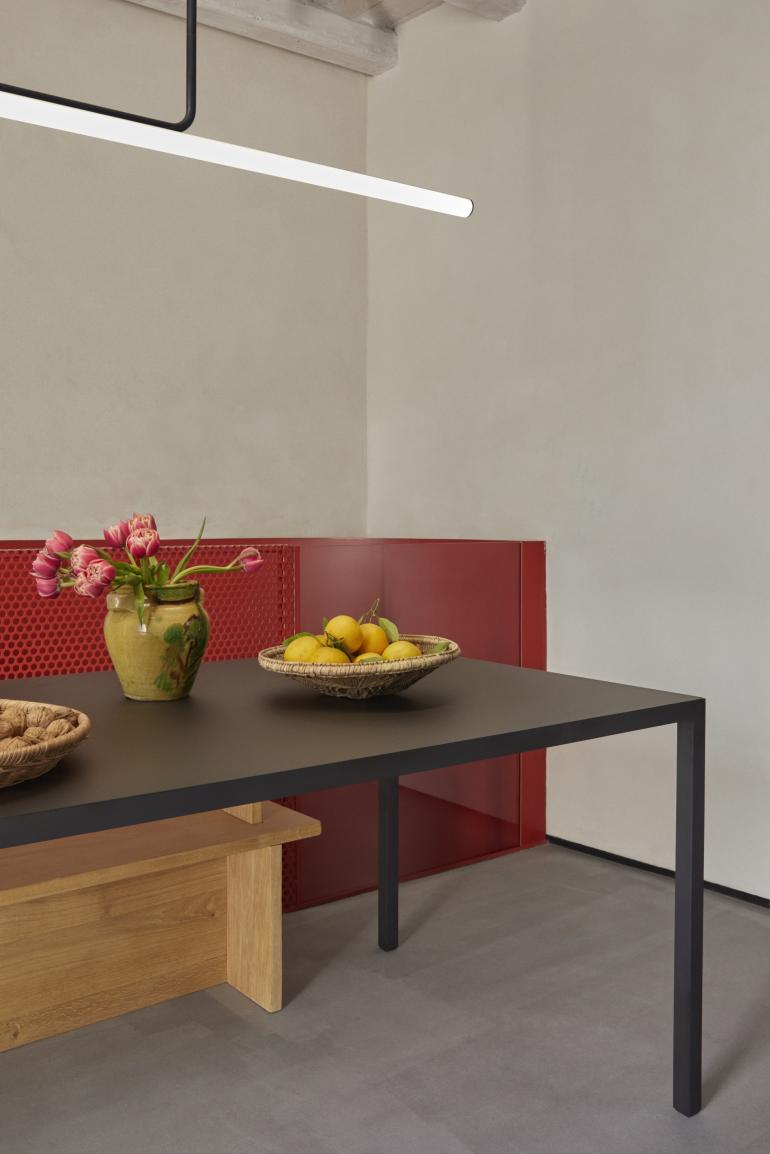
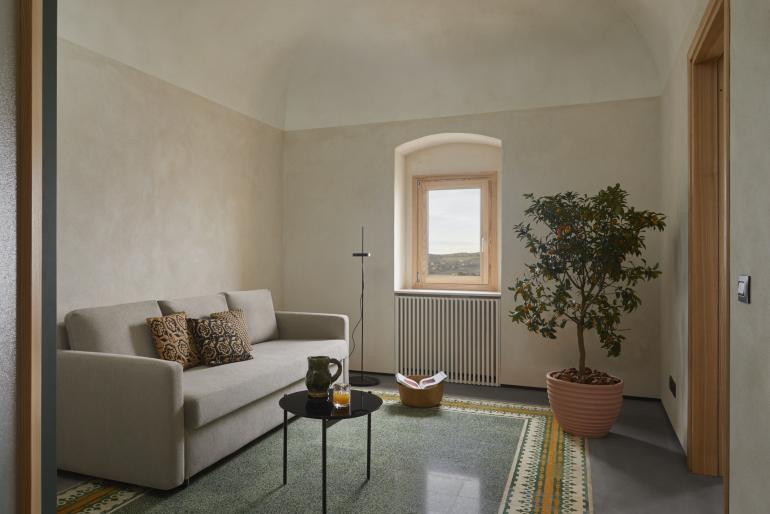
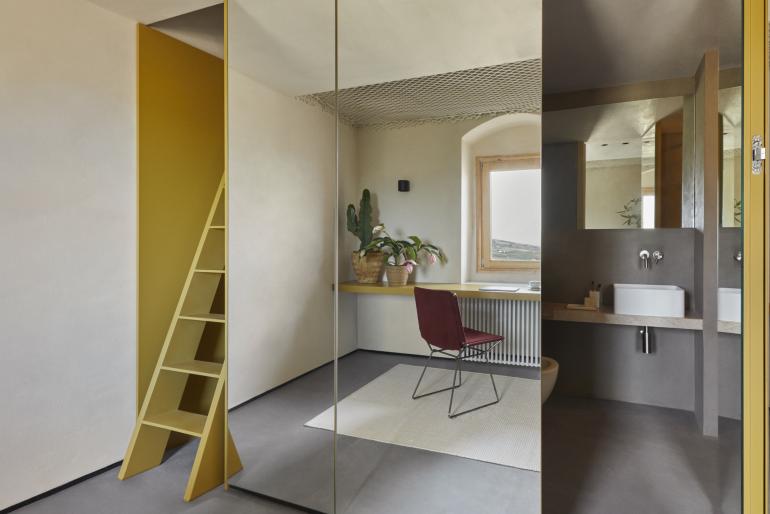
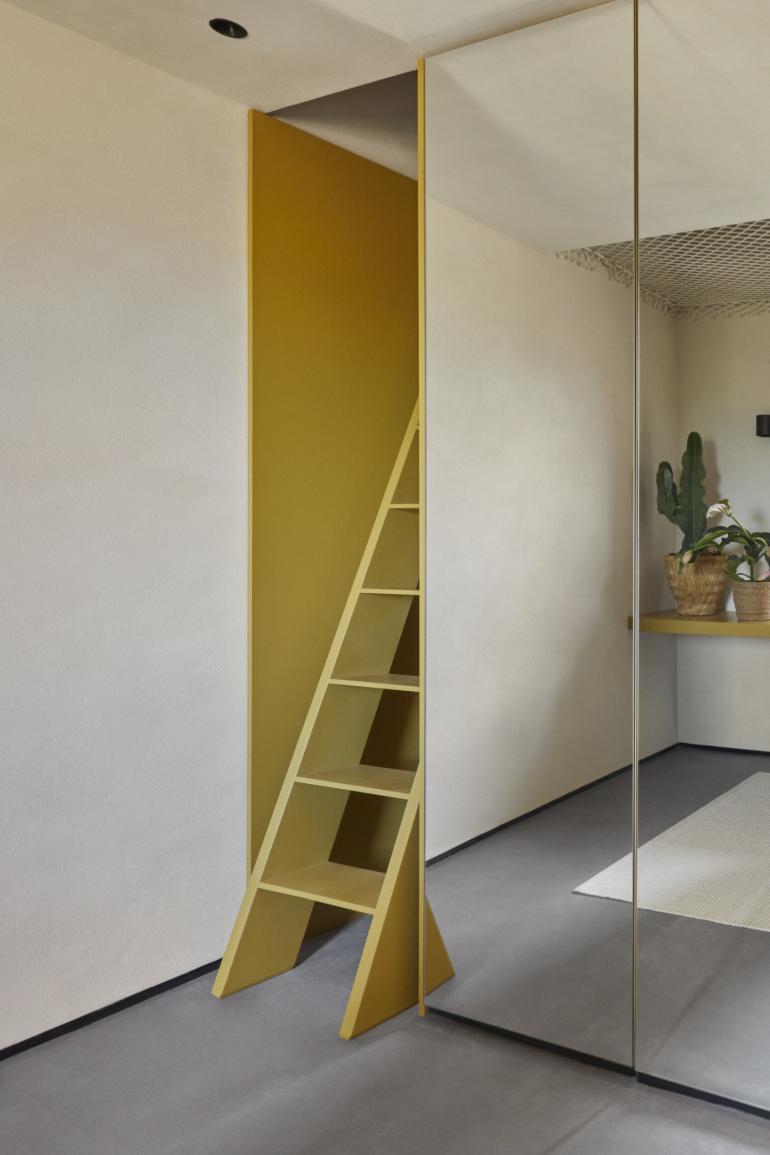
A distinctive feature of the project is the pair of perforated steel staircases - rendered in striking red and green - that run vertically through the home. These sculptural elements contrast with the warm, muted palette of the interiors and reference the surrounding landscape’s tones, becoming both functional and symbolic. Vaulted ceilings, enfilade rooms, and timber floors have been retained and enhanced, reinforcing the typological character of the original house. The result is a spatially fluid, intuitive interior, where contemporary gestures and local identity coexist in balance.
The role of light
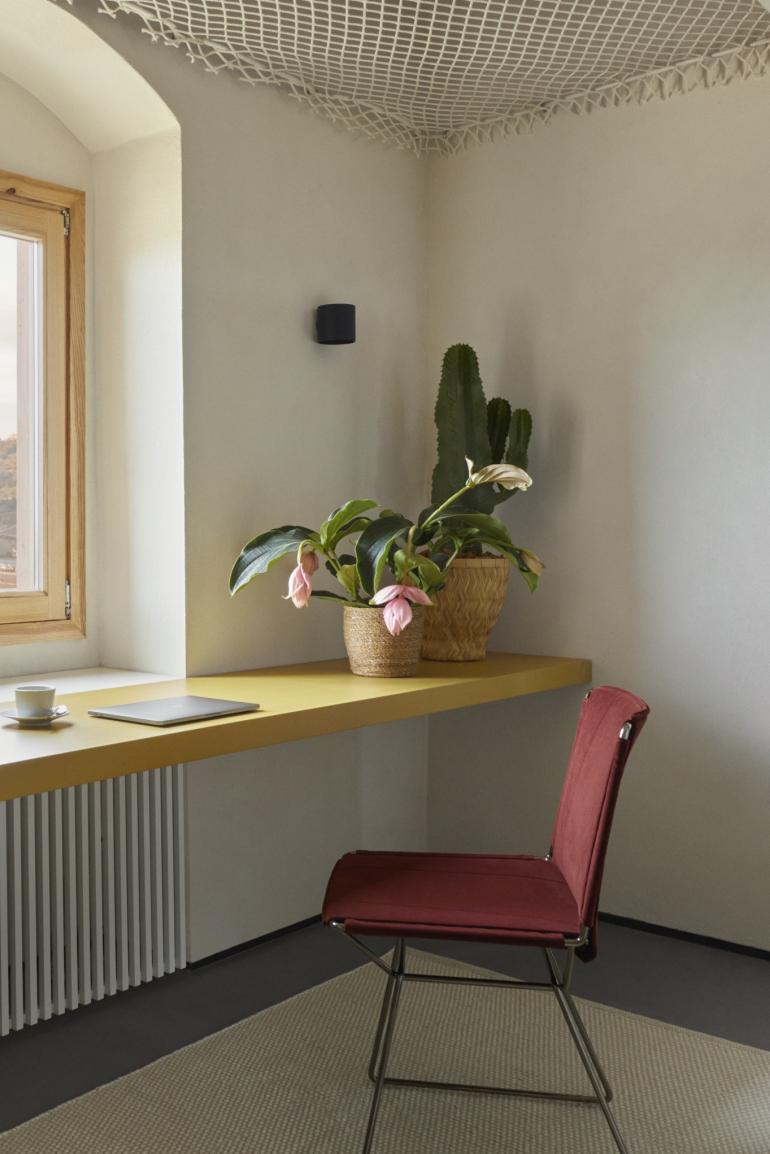
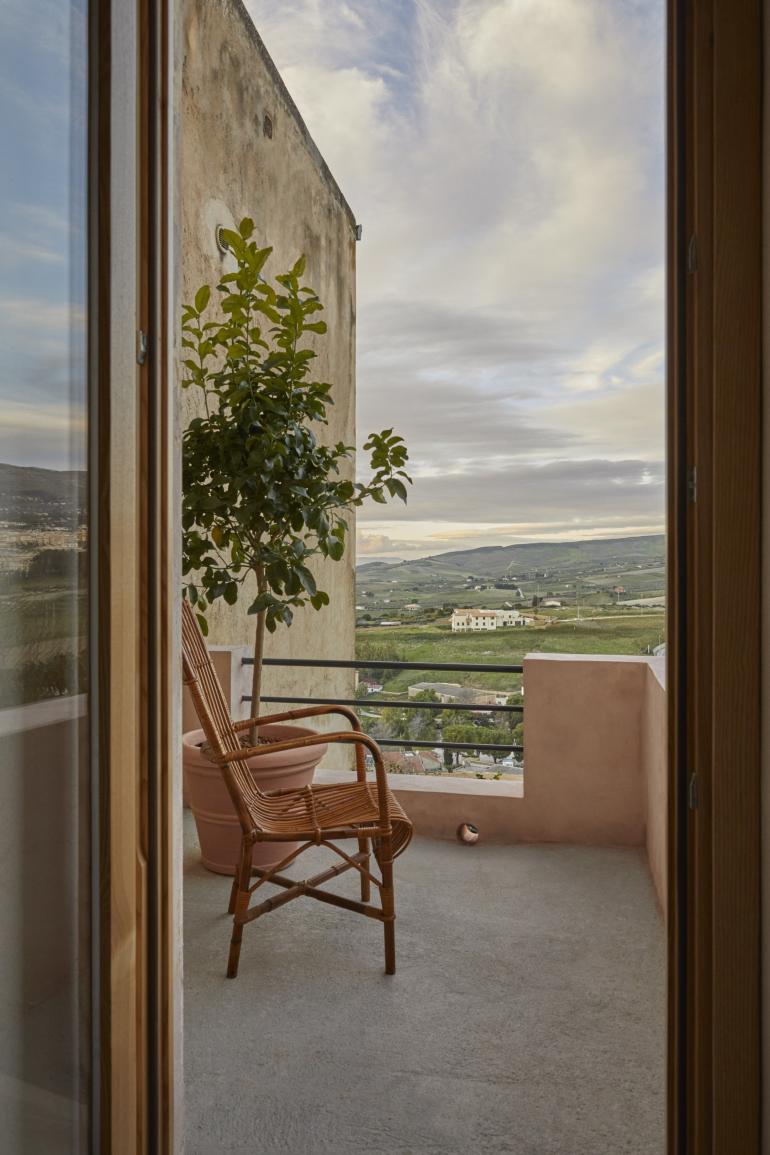
Natural light plays an active role in the project. Filtered through the perforated steel staircases and translucent internal doors, it animates the space throughout the day. Soft, neutral finishes enhance the effect, shaping a warm, measured, deeply Mediterranean atmosphere in tune with the rhythms of the village and its landscape.
Tailoring space
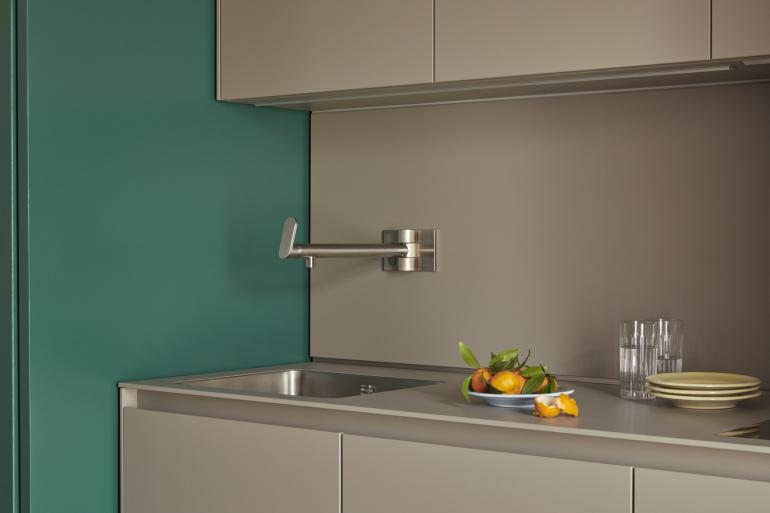
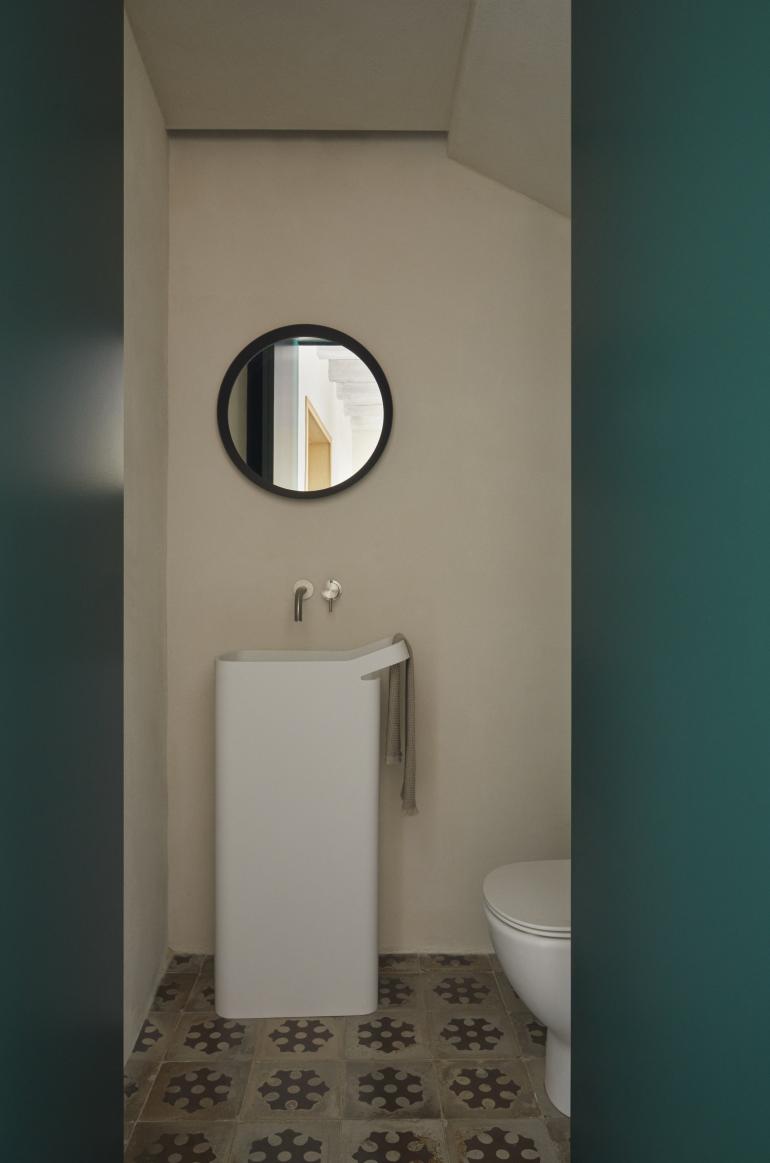
Every element is bespoke—from the staircases to the integrated furnishings—meticulously designed to fit both the proportions of the rooms and the everyday functions of a lived-in home. Didea rejects standard solutions in favour of an architectural tailoring process, where each detail contributes to a cohesive, recognisable identity grounded in comfort and spatial clarity.
Sustainability without rhetoric
Sustainability here is embedded, not proclaimed. Natural, breathable materials like lime plaster and raw earth contribute to thermal comfort and energy efficiency, without relying on invasive technologies. The choice to restore rather than rebuild, and to engage local craftsmen and resources, results in a project that is deliberate and context-aware, guided by respect for the place and its future inhabitants.
“Restoring what already exists is, in itself, an act of sustainability. In Sambuca, succeeded in breathing new life into a piece of vernacular architecture—an authentic expression of local culture at risk of disappearing—and allow it to speak again through the experience of dwelling,” says Nicola Andò, co-founder of Studio Didea.